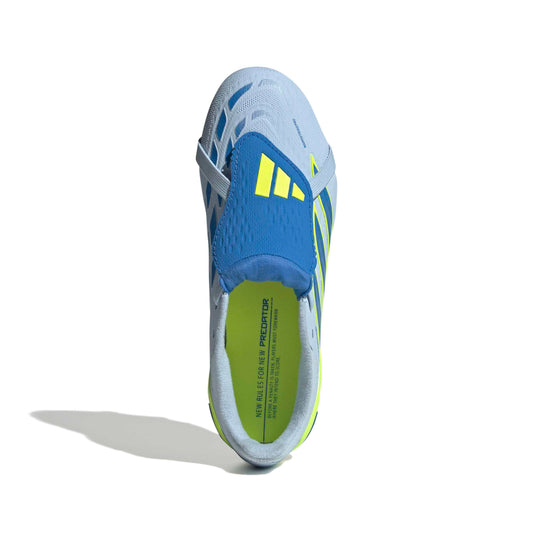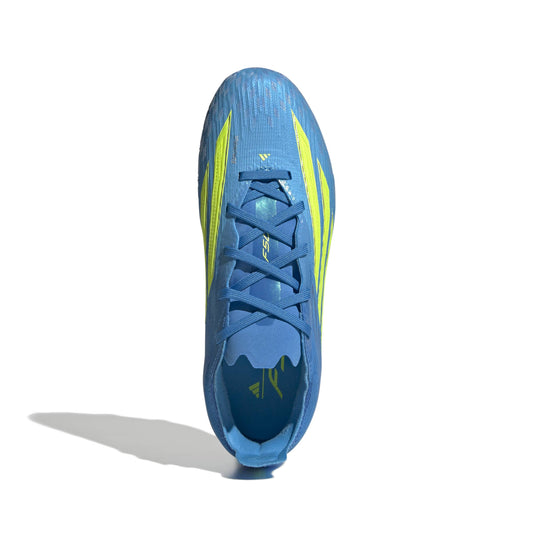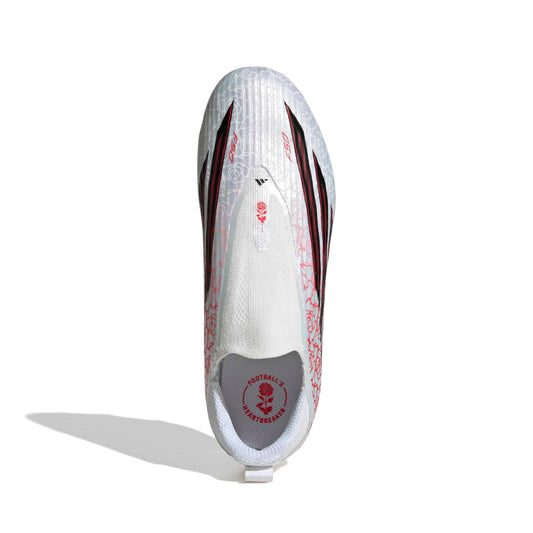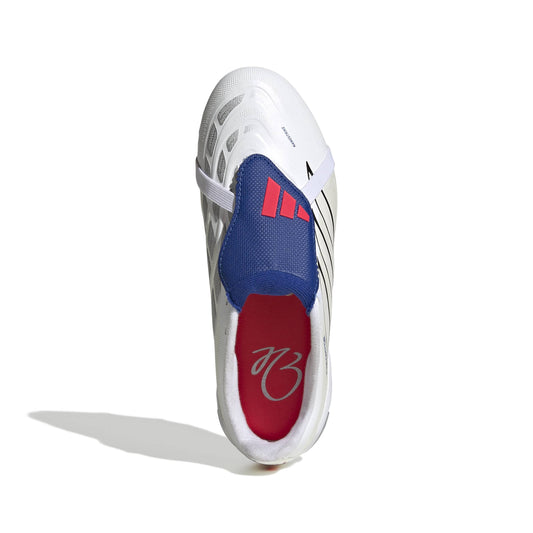

The new season is coming, kids are outgrowing last year’s boots overnight, and suddenly every second parent is googling “kids football boots size guide” or “kids soccer kits Australia”.
Getting your child’s gear right isn’t just about looking the part. Boots that actually fit, shin pads that stay in place, and kits that feel comfortable can be the difference between a kid who loves every session and a kid who wants to come off after ten minutes.
This 2026 kids’ football gear guide breaks down what Aussie parents need to know about boots, kits, shin pads, socks, base layers and matchday essentials – with practical tips you can use before you head to Soccer World or jump online.
Kids’ football boots size guide: get the fit right first
If you remember one thing from this article, make it this: start with the boots.
Good kids’ football boots should feel snug and secure, not sloppy or painful. Here’s how to get closer to the right size straight away.
How to measure your child’s feet at home
You don’t need special tools – just a piece of paper, a wall and a ruler.
- Measure in the evening when feet are at their largest.
- Have your child put on their football socks (they’re thicker than school socks).
- Place the paper against a wall, and your child’s heel gently against the wall on the paper.
- Mark where the longest toe reaches.
- Measure the distance from the edge of the paper (heel) to the mark in centimetres.
- Check the brand’s size chart and match the foot length to the right size.
As a rule of thumb, you want about a thumb’s width (5–7 mm) of growing room at the toes – enough space to grow, but not so much that the boot feels like a gumboot.
How should kids’ football boots fit?
When your child tries on boots, look for:
- Snug midfoot and heel – their foot shouldn’t slide around when they change direction.
- Toes just off the end – they should be able to wiggle their toes, but not kick into the front.
- No painful pressure points – ask them to jog, cut and jump; any rubbing at the heel or little toe will turn into blisters quickly.
Avoid the temptation to “buy two sizes up so they last longer”. Oversized boots make it harder to control the ball, increase the risk of rolled ankles and can make kids feel clumsy.
Picking the right soleplate for Aussie pitches
In Australia, kids play on a mix of hard, dry grass, softer winter pitches, artificial turf and indoor courts. The soleplate (the bottom of the boot) should match the surface:
- Firm ground (FG) boots – moulded studs for most natural grass pitches. A great all-rounder for weekend club football.
- Turf (TF) boots – lots of small rubber studs for hard grounds and synthetic pitches. Ideal for many Aussie suburban fields that get rock-hard in summer.
- Indoor/futsal shoes – flat, grippy sole for indoor courts. No studs.
Metal studs aren’t usually necessary for junior players and are often restricted by local competitions.
At Soccer World, you’ll find a wide range of kids’ football boots in sizes from toddlers through to teens, across firm ground, turf and indoor options – with brand-specific size charts so you can match your measurements before you buy.
Kids’ football kits, socks & base layers: comfort from head to toe
Once the boots are sorted, it’s time to look at kits, socks and base layers – the things that keep kids comfortable from kick-off to full-time.
Jerseys and shorts: how they should fit
A good kids’ football kit should:
- Sit comfortably on the shoulders without slipping off or digging in.
- Have enough room through the body to move, but not so baggy that it catches when they run.
- Be long enough that jerseys don’t ride up and shorts don’t feel like they’re falling down.
Most official club and national team kits use height in centimetres as a key sizing reference (for example, 128 cm, 140 cm, 152 cm). Measure your child’s height and use that as your starting point.
If you’re between sizes, think about:
- Younger, fast-growing kids – consider the larger size so they don’t grow out of it mid-season.
- Slim but tall kids – you might prioritise height over width, then use base layers under the kit for a closer feel.
Soccer World stocks kids’ football kits and replica jerseys for major clubs and national teams, plus classic training tops and shorts so you can build a full matchday and training wardrobe.
Shin pads: protection that actually stays in place
Shin pads are non-negotiable in junior football – but the wrong size can be nearly as bad as none at all.
Look for shin pads that:
- Cover from just above the ankle to two or three fingers below the kneecap.
- Sit flat against the shin without big gaps.
- Feel secure under the sock without sliding down at every sprint.
There are two main styles for kids:
- Slip-in shin pads – a lightweight shell that slides into the sock. Great for older juniors who are comfortable with a closer fit.
- Ankle-guard shin pads – include extra padding around the ankle with an underfoot strap. Ideal for younger kids who need more coverage and tend to get kicked in a few different places.
Pair shin pads with proper football socks that reach to the knee so everything stays put.
Socks and base layers
Quality socks make a big difference:
- They should be thick enough to protect against rubbing.
- Have good elastic around the calf so they don’t roll down.
- Be the right size – not bunched up in the boot.
Base layers (tight-fitting tops and shorts worn under the kit) help with:
- Warmth on cold, early-morning kick-offs.
- Moisture management in summer, keeping sweat away from the skin.
- Reducing chafing where seams might otherwise rub.
From junior socks and base layers to kids’ shin pads, Soccer World makes it easy to build a full kit that feels good for the whole game.
Matchday & training essentials for junior players
Beyond boots and kits, a handful of extras can make life much easier for players – and parents.
Choose the right ball size
Using the correct ball size helps kids develop better technique and avoid strain.
- Size 3 – typically for younger age groups (around Under 6–Under 8).
- Size 4 – common for roughly Under 9–Under 12.
- Size 5 – full-size ball for older juniors and adults.
Always double-check your local competition’s rules, but as a guide, make sure your training ball matches what they’ll use on game day.
Simple extras that make a big difference
Consider adding these to your child’s kit bag:
- Pump and spare needle – nothing worse than turning up with a flat ball.
- Named drink bottle – ideally insulated for hot Aussie days.
- Small backpack or boot bag – keeps boots, shin pads and socks together (and out of the family car).
- Light rain jacket or spray jacket – for wet or windy weekends.
- Goalkeeper gloves – if your child plays in goals regularly, even at junior level.
- Basic training gear – a few cones, mini-markers or an agility ladder are perfect for home or park sessions.
Soccer World carries kids’ footballs, training equipment, bags and goalkeeper gloves so you can set your junior player up for both matchday and backyard training.
Common kids’ football gear mistakes (and how to avoid them)
Even experienced sports parents get caught out by a few classic mistakes. Here are some to watch for:
- Buying boots way too big – a little growing room is fine; clown shoes are not. Stick close to the size chart and watch how your child moves in them.
- Using school runners as football boots – they’re not designed for studs-up tackles or wet grass, and they won’t grip the same way.
- Ignoring surface type – long, soft-ground studs on rock-hard Aussie pitches can be uncomfortable and unstable. Firm ground or turf models are usually better.
- Cheap, thin socks – if the socks fall down or twist, shin pads won’t stay in place.
- No-name training balls that lose shape – a quality ball holds its shape and gives a better touch, which matters when kids are learning.
- Forgetting sun and heat – in summer competitions, consider lighter-coloured kits, regular drink breaks and a breathable cap for before and after games.
Final whistle – gear up your kids with Soccer World
The right gear won’t magically turn a new player into a Matilda or Socceroo overnight – but it does help kids feel confident, comfortable and excited to play.
To recap, focus on:
- Getting a proper fit for kids’ football boots, using a size guide and measuring their feet.
- Choosing kits, shin pads, socks and base layers that are comfortable and stay in place.
- Adding a few matchday and training essentials so they’re always ready to play.
- Avoiding the common mistakes that lead to sore feet, frustration and tears on the sideline.
When you’re ready to kit them out, Soccer World has you covered – from junior football boots and kids’ kits to shin pads, socks, balls and training gear tailored to the way Australian kids actually play.